Pokies Impulse Control Tips Built Around Limits, Not Luck
Most Australians who play pokies online want the fun without the fallout, yet the usual advice still leans on willpower alone. I’ve spent years coordinating distribution deals across studios and operators, and the pattern is familiar: products that work best internationally are the ones that bake restraint into the account itself rather than hoping the player remembers to stop. This piece treats pokies impulse control tips as a different priority – one centred on limits, clarity and support tools – and keeps the focus on how a platform can make that easier to use.
Focus on the account before the spin
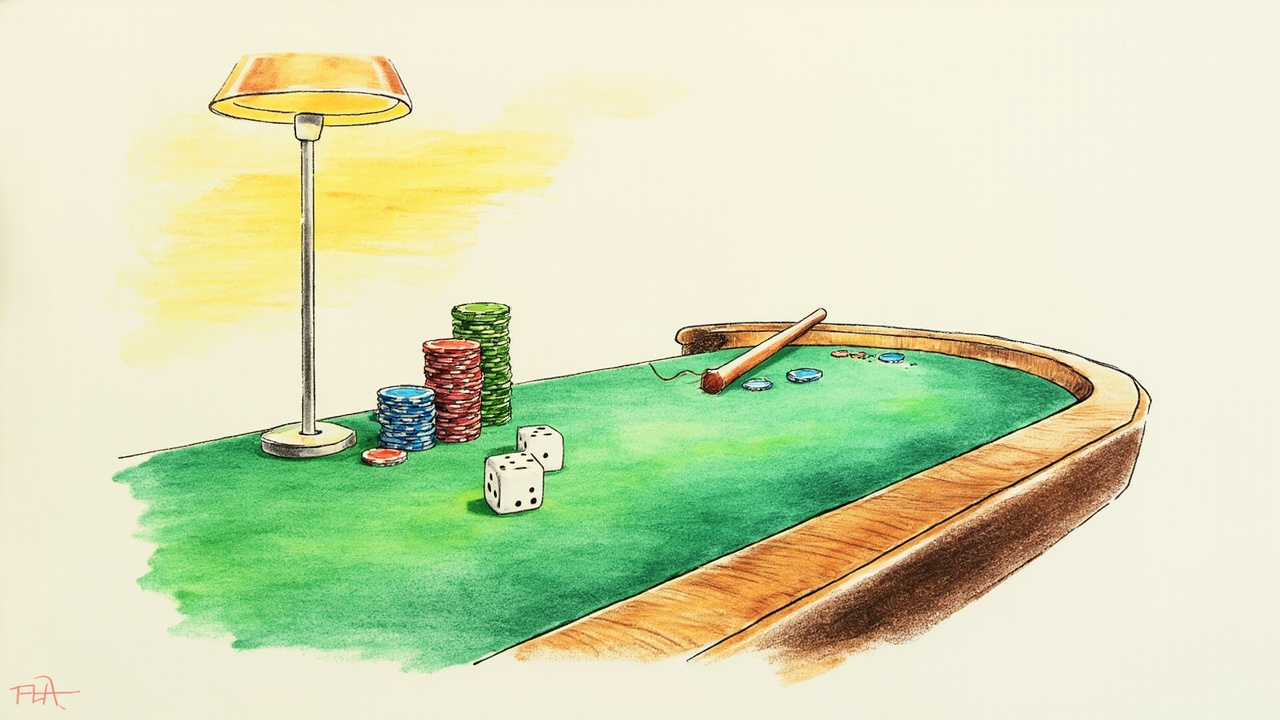
The first question worth asking is what the operator actually lets you control before money leaves your wallet. A well-built service puts the table maximum front and centre so the largest allowed bet is obvious rather than buried three screens deep. That single cap matters because it removes the temptation to chase a bigger line when a session is running hot and your head isn’t in it. I’ve seen aggregators push titles that look slick on a demo, but the real test is whether the same restraint survives once you’re logged in for real money. If you want to test that feeling without committing, you can spin up a wanted dead or a wild demo in trial mode and watch how the bet controls sit on the screen before you ever deposit.
The registration flow should reinforce the same idea instead of rushing you through a form. A clear sign-up asks for the basics, confirms your location, and then offers pre-commitment options before the first game loads. That order matters more than most people realise, because once the first spin starts the impulse to raise stakes tends to override any vague intention to “be careful today”. I’ve worked with operators who treat this stage as a compliance checkbox and others who treat it as the moment the player actually sets their own guardrails.
How the tools hold up when the pace picks up
Session limits that actually interrupt the run
A timer or session cap only works if it interrupts the flow instead of politely suggesting you think about it later. The stronger setups send a clear prompt, pause the active game, and require a deliberate confirmation to continue. That extra step is small on paper but it changes the psychology of a busy arvo when you’ve been playing for an hour and the reels are still moving. I’ve judged products for commercial rollout by whether the pause feels like a genuine stop or just a soft nudge that most people click through without reading.
Support has to be reachable the same way, not hidden behind a FAQ that assumes you already know what to ask. A live chat or phone line that answers within a reasonable window is part of the same restraint system, because a player who wants to adjust a limit should not have to wait until tomorrow. Evie Wright, Head of Live Casino, Southern Cross Gaming Advisory, puts it plainly: “A limit is only useful if the operator can change it quickly and confirm the change in writing.” That standard separates a service that talks about control from one that actually builds it into the account.
Deposit and loss boundaries that stay visible
Deposit caps and loss boundaries work best when they sit in the same dashboard as the rest of your account, not in a separate responsible-play page nobody opens. Seeing the remaining room for the day or the week in one place makes the decision concrete instead of abstract. Eliza Baker, Managing Partner, Federation Betting Insights, notes: “Players respond better to a single view of their limits than to scattered prompts they can dismiss without reading.” That’s the difference between a tool that shapes behaviour and one that becomes wallpaper. wanted dead or a wild demo in trial mode
The table below shows how the main controls compare when they’re placed where a player can actually use them.
| Control | Where it sits | What it does | Why it matters |
|---|---|---|---|
| Table maximum | Game lobby and bet screen | Caps the largest allowed bet | Removes the urge to raise stakes mid-session |
| Session timer | Active game and account dashboard | Pauses play and asks for confirmation | Interrupts momentum instead of just suggesting a break |
| Deposit cap | Account settings, visible daily | Limits how much can be added in a period | Keeps top-ups deliberate rather than automatic |
| Loss boundary | Same dashboard as deposits | Flags when a set loss level is approached | Makes the total cost of a session easier to track |
| Support access | In-account chat and phone | Reachable when a limit needs changing | Turns a setting into something you can act on quickly |
Linking the structure to what players actually need
The point of these pokies impulse control tips is not to make the game less enjoyable but to make the session easier to manage when the pace picks up. A player in Brisbane who logs on after work wants a clear bet screen, a visible cap, and a way to step back without hunting through menus. That local reality matters because the people using these tools are not abstract users – they’re neighbours, mates, and regulars who want a bit of fun without the evening turning into a problem. When the account is built around limits first, the rest of the experience tends to feel steadier.
Daniel Wilson, Marketing Director, Laneway Interactive Media, sees the same shift from the commercial side: “If the restraint tools are easy to find, the product earns more trust and the session tends to stay within the player’s own plan.” That’s the judgement call I bring into partnership discussions too – a platform that makes control visible is easier to distribute internationally because it fits the operators who care about retention without encouraging excess.
The strongest approach keeps the table maximum, session prompts, and deposit and loss boundaries in one place, with support close enough to reach when a limit needs adjusting. That setup doesn’t remove the fun of a spin, but it gives the player a real chance to stay in charge. If you’re weighing a service, look for the account that makes restraint part of the layout rather than an afterthought, and treat the rest as secondary.